Speech Language Pathology Services
Pediatrics
Comprehensive, individual-centered speech and language support that helps young learners build clarity, confidence, and communication skills in a supportive, technology-enhanced environment.


Our Approach
Redmond Speech & Language provides comprehensive speech and language evaluations and evidence-based therapy for individuals throughout Central Oregon. Our licensed speech-language pathologists treat a wide range of speech, language, and communication disorders using advanced technology, including iPad-based tools to support assessment and treatment. We collaborate closely with families, schools, and healthcare professionals to deliver personalized care that meets each client’s unique needs. Redmond Speech & Language offers services at six locations across Central Oregon, along with telehealth options, ensuring support is available wherever you need it.
Pediatric Areas of Expertise
Our pediatric-focused approach emphasizes individualized, evidence-based therapy to support academic, social, and everyday communication. Learn more about the conditions we treat below.
Apraxia
Apraxia is a significant difficulty in motor planning. In a speech apraxia, this means that there is not necessarily any difficulty with muscle strength or any structural abnormalities. There may not be any phonological processing errors. However, there are errors in coordination. This often results in inconsistent errors in speech sound production and highly unintelligible speech.
Click here for more information about childhood apraxia of speech.
Articulation & Phonology Disorders
Articulation: the use of motor movements (coordination of the muscles) and articulators (teeth, lips, gums, palates, etc) along with voice production and resonance to produce speech sounds.
Phonological Disorders: patterns of errors in the production of TYPES of speech sounds (those produced using the teeth vs. both lips vs. the soft palate, etc.) that persist past the expected age of speech and language development.
Click here for more information about speech sound disorders.
Augmentative and Alternative Communication
Use of high or low tech devices to assist (augment) existing verbal communication, or provide the ability to communicate using language where it does not yet exist (alternative communication).
Click here for more information about AAC.
Cognition
- Attention
- Memory
- Executive functions
- Processing/processing speed
- Visuospatial skills
- Organization/planning
- Click here for more information on cognitive deficits caused by Traumatic Brain Injury (TBI)
Dysarthria
Muscle weakness affecting the ability to speak clearly that can be the result of brain injury, cerebral palsy, degenerative diseases, or other syndromes.
Click here for more information about dysarthria.
Expressive & Receptive Language
Expressive language: effectively communicating wants, needs, feelings and demonstrating academic competence using age appropriate morphology (word structure), syntax (sentence structure), and semantics (vocabulary use).
Receptive language: comprehension of language demonstrated by the ability to follow directions containing multiple steps and/or language concepts, answer yes/no and complex “WH” questions, etc.
Click here for more information about developmental speech and language disorders.
Feeding & Swallowing Disorders
Difficulty regulating the process of taking food or fluids into the mouth, chewing/controlling the bolus (food/fluid), and safely swallowing without aspiration.
Click here for more information about feeding and swallowing disorders in children.
Literacy
Reading and writing skills that support success in school and everyday communication. Literacy development includes learning letter–sound relationships, recognizing and sounding out words, understanding what is read, spelling, and expressing ideas in writing. Strong speech and language skills help form the foundation for learning to read and write.
Click here for more information about literacy.
Selective Mutism
Talking in some situations/places, but not in others, persisting for more than one month and affecting the person’s ability to participate in activities of daily living.
Click here for more information about selective mutism.
Social Communication Skills
Social use of verbal language for problem solving, self-advocacy, conversation skills, emotional regulation, “others” thinking, etc. Also, involving the use of non-verbal language (e.g. body language, facial expression, understanding/use of prosody for humor/sarcasm, etc.).
Click here for more information about social communication disorders.
Stuttering & Cluttering
Stuttering: Disruption in the fluent production of connected speech.
Cluttering: Dysfluencies that don’t follow the typical pattern of stuttering and are characterized by abnormally rapid and/or irregular rate.
Click for more information about stuttering and cluttering.
Voice Disorders
- Vocal cord dysfunction (VCD)
- Vocal nodules, lesions etc
- Hypophonia
- Dysphonia
- Chronic laryngitis
- Click here for more information about voice disorders.
Accepting Insurance
and Private Pay
At Redmond Speech & Language, we’re proud to be in-network with many commercial insurance providers, as well as Medicaid and Medicare, making care more accessible for every family. View Payment Information.
Frequenty Asked Questions
What is a Speech-Language Pathologist (SLP)?
A Speech-Language Pathologist is a helper who works with kids and teens to improve speaking, understanding, eading and writing, feeding and swallowing, social communication.
Who can benefit from speech therapy?
Speech therapy can help kids and teens who have trouble talking clearly, understanding language, stuttering, using their voice, reading or writing, or making friends and conversations.
What happens during a speech therapy session?
Sessions usually include games, activities, talking, and practice exercises. Your SLP will work on skills that are important to you, like pronunciation, vocabulary, or confidence when speaking.
Will speech therapy feel like school?
Not exactly! Speech therapy is more interactive and playful than school. Sessions are designed to be fun, encouraging, and focused on your strengths.
Does speech therapy hurt?
Nope! Speech therapy is safe and comfortable. There are no shots or medical procedures—just talking, listening, and learning in a supportive environment.
Can teens still benefit from speech therapy?
Yes! Speech therapy helps teens with public speaking, social communication, reading and writing skills, stuttering, and confidence in school or work situations.
What if my child feels nervous or shy?
That’s very common. SLPs are trained to help kids and teens feel comfortable and confident. Sessions start slowly, and trust is built over time.
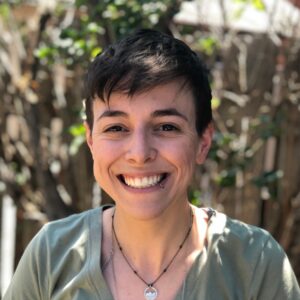
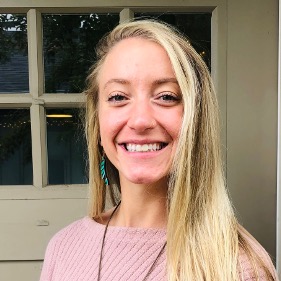
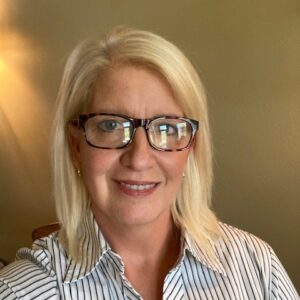
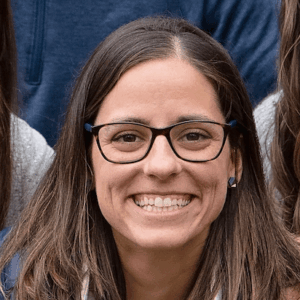
Our Expert Speech & Language Team
Get to know our skilled team of speech-language experts who are passionate about helping kids and teens thrive. Professional, personalized care starts with the right people.